Concrete footings in Yuma AZ - a firm base matched to your soil and what it carries
Adding a room, a block wall or a patio cover and need footings under it? We dig, reinforce and pour them to suit your ground.
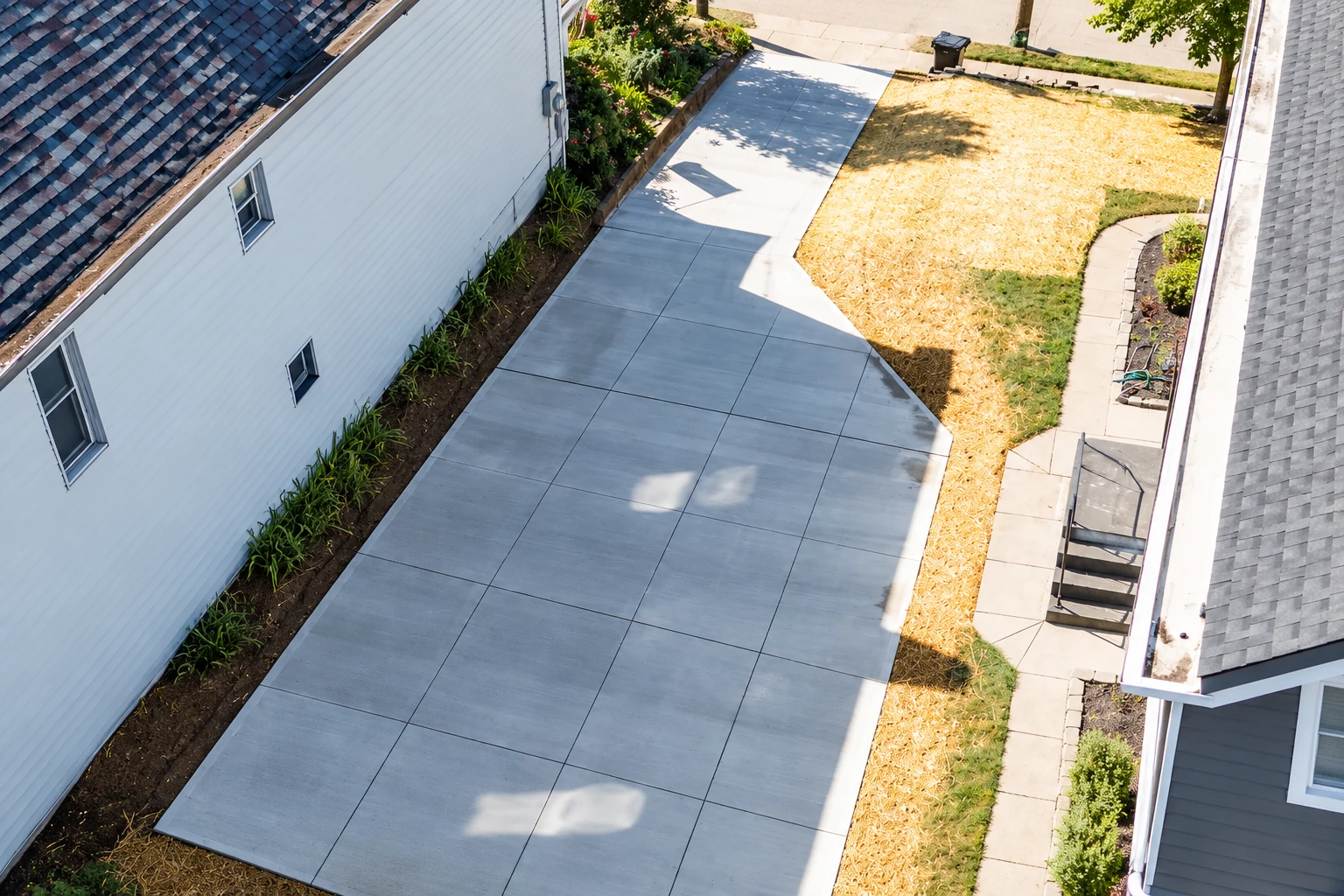
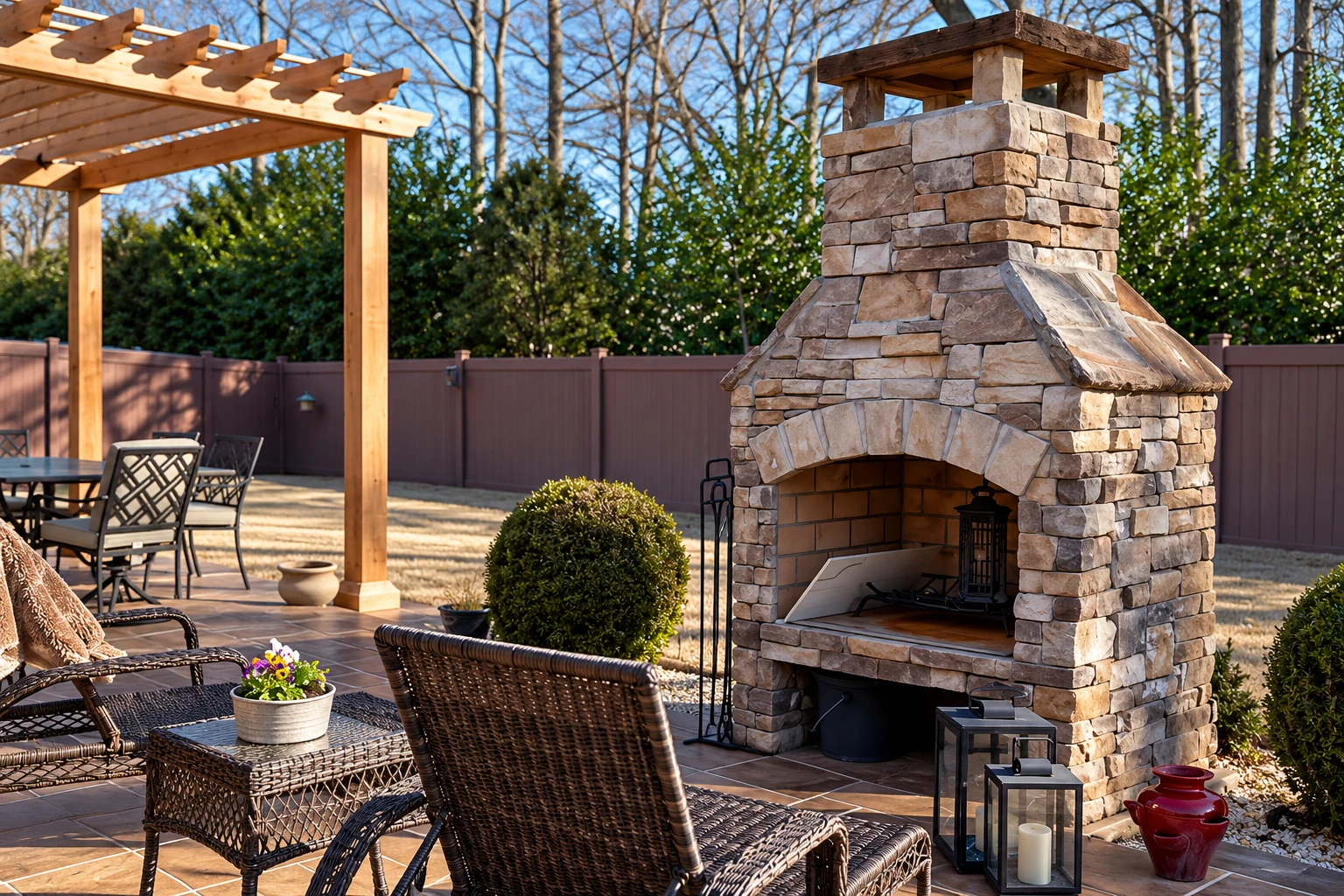
Concrete footings carry the weight. Everything above depends on them.
A concrete footing is the buried strip or pad under a wall, post or addition that spreads its weight into the ground. In the simplest method we dig a trench, set rebar, the steel bars that hold the concrete together, and fill the trench with concrete. On other ground we build forms to shape it instead.
People usually call because they're adding a room, a block wall or a patio cover, or because an older footing has settled and left cracks running up a wall. Fixing a sunken one later means foundation raising or tearing out, which is why the footing is the part not to rush.
Price moves with how much footing the plan calls for, whether your soil holds a trench or needs forms, and how easy the site is to dig. The schedule turns mostly on the permit review, the inspection and the heat. Our written estimate, done on site, gives you your own figure.
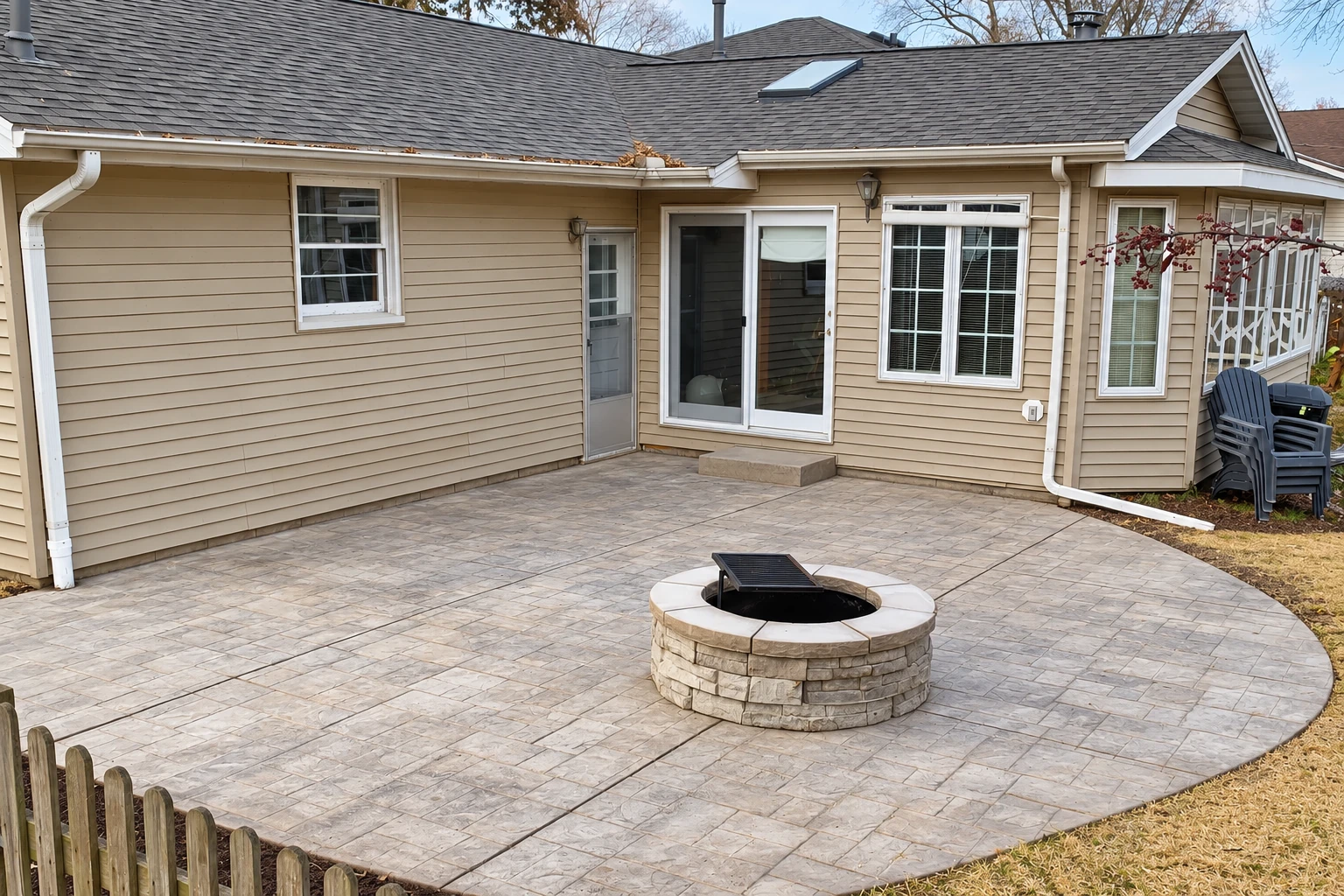
We start with your soil. Concrete footings come after that.
Footings get the least attention of anything we pour and matter the most, so before the design is set I ask what you know about your soil. If nobody's tested it, I'll suggest a soil test, because what the ground does decides how the footing should be built.
Concrete is hard to undo, so I'd rather take a second look at the trench and the forms than rush a pour. Our own crew does the work with me on site, and we pick the forming method your ground allows, not just the quickest one.
Concrete footings take more than a pour. Here's what we cover.
Soil questions first
We ask what you know about your ground and point you toward a soil test when there's no record, so the design fits the site.
Layout and digging
We mark where the footings run from your plans, then dig the trenches clean and square so the concrete bears on firm, undisturbed soil.
Forms when needed
If the trench walls won't stand clean on their own, we build forms to hold the concrete's shape until it sets.
Setting the rebar
We set the steel on supports inside the trench so it sits in the middle of the concrete, where it does its job, not down in the dirt.
Cutting through old slabs
When a new footing has to go under an existing slab, we cut a clean opening with concrete cutting instead of breaking up more than we need to.
Pour, cure and clean up
We pour and level the top, let it cure, the slow hardening that gives concrete its strength, then haul off the dirt we dug.
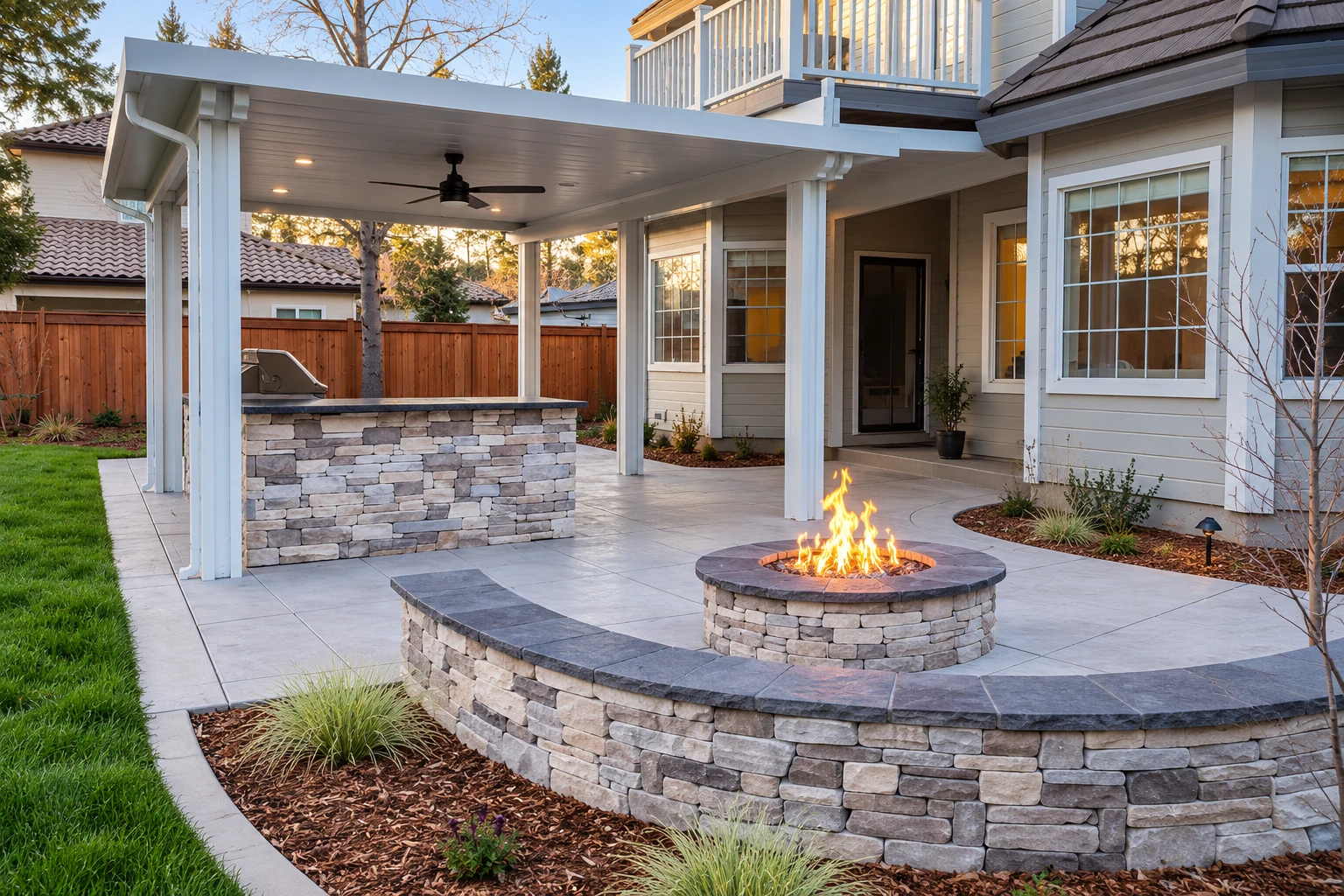
Good footings protect what's above. Walls and slabs depend on them.
A footing poured on loose fill or in a trench nobody checked can settle, and the cracks show up later in the wall or slab above it. Problem soils turn up across Arizona, Yuma included, and some loose, dry ground shrinks when it gets wet or takes a building's weight.
We plan for that by settling the soil question before the design and matching the forming method to the ground. A footing is the part nobody sees once the walls go up, and it's the first place people look to save money, which is exactly why it's the last place I'd cut.
From call to pour. Here's how a footing job runs.
Tell us about it
Call or send the form with your address and what you're building, and we'll set a time to come out and look.
I come out myself
I look over the site, the access and the ground, and ask how you'll use whatever is going on top of the footings.
Estimate and permit
You get a written estimate. Once you say yes, we line up the permit steps, and city review for residential work generally takes 5 work days.
Inspection, pour, walk-through
Our crew digs and sets the steel. With a permit, the city inspects before anything's covered, then we pour, clean up and I walk it with you.
Tell us what you're building. We'll come look at the ground.
Send the property address, what the footings will hold up and any soil test results. We reply within one business day to set up a free, no-obligation on-site estimate.
(928) 291-0009Based in Yuma. We pour footings across the area.
We're based in Yuma and pour footings across the cities around it, including Fortuna Foothills and Somerton. If you don't see your city listed, give us a call.
Mon–Fri: 7 AM–10 PM, Sat–Sun: 6 AM–11 PM
Questions about footings. Straight answers before you hire.
Read through the answers below, and if your question isn't here, call (928) 291-0009 and I'll walk you through it.
Do I need a permit for concrete footings in Yuma?
Usually, yes. The city generally requires permits for new construction, and its no-permit list names fencing, painting and minor repairs, not footings, so check your project with the Building Safety Division. When a permit's needed, we handle the application and schedule the inspections.
What is the cheapest way to pour concrete footings?
Trench footings are usually the least expensive, because the trench itself shapes the concrete and no separate form material has to be bought. They only work in soil that holds its shape, like high-clay ground, so sandy or gravelly soil may need forms and more material. I'll tell you what I see when I look at your ground.
How do I know if the soil on my lot is a problem for footings?
The surest way is a soil test from a reputable geotechnical firm, a soil engineering company that drills borings and tests what comes up. Plan it before the footings are designed, because the results shape the design. If you already have a report, have it handy for the estimate.
Do I need a licensed contractor to pour footings in Arizona?
If you're hiring the work out and it needs a local building permit, yes, because Arizona's licensing exemption for small, minor jobs doesn't cover permitted work. Owners can do it themselves, with their own employees or with licensed contractors, on a building only they'll occupy and won't sell or rent. We're licensed and insured.
Can concrete footings be poured in Yuma's summer heat?
Yes, with the timing planned around it. Hot-weather concrete guidance calls for pouring at times of day or night when conditions are favorable and keeping the concrete from losing moisture while it's placed and cured, so expect an early or late start on a summer pour.
Footings are just the start. We pour the rest too.
- Concrete driveway building
- Concrete patio construction
- Stamped concrete services
- Concrete sidewalk building
- Garage floor concrete
- Decorative concrete
- Concrete retaining walls
- Concrete floor installation
- Concrete pool decks
- Concrete steps construction
- Slab foundation building
- Foundation installation
- Concrete parking lot building
- Foundation raising
- Concrete cutting
Building something that needs footings? Call us about the ground first.
Footings go in before anything else, so everything waits on them. Tell us what you're building and where, and we'll set a time to come look.
(928) 291-0009