Concrete sidewalk building in Yuma AZ - a walk that stays level and drains right
Cracked, sinking or uneven walk? We dig out, pack a solid base and pour a new sidewalk that sheds water and stays level.
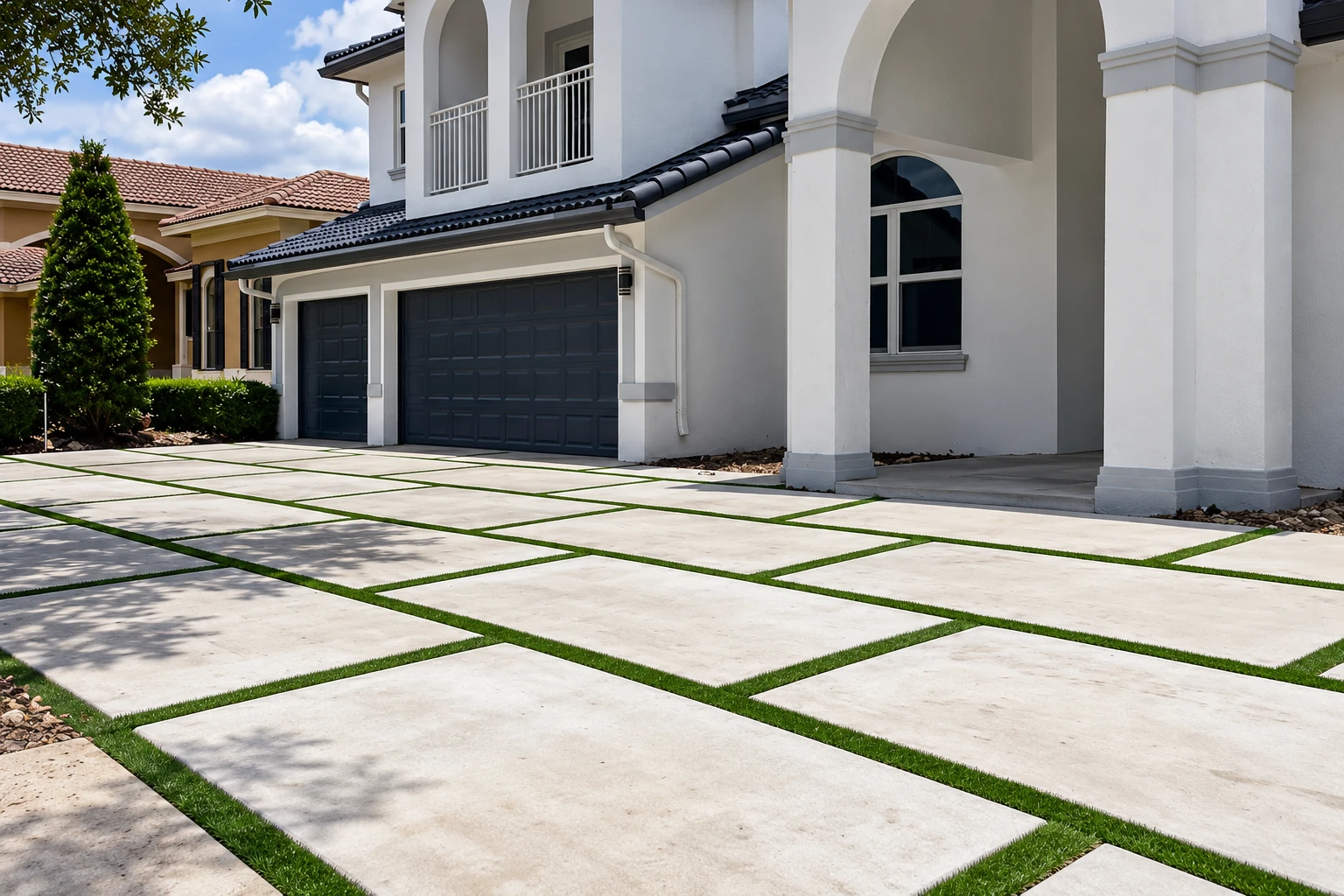
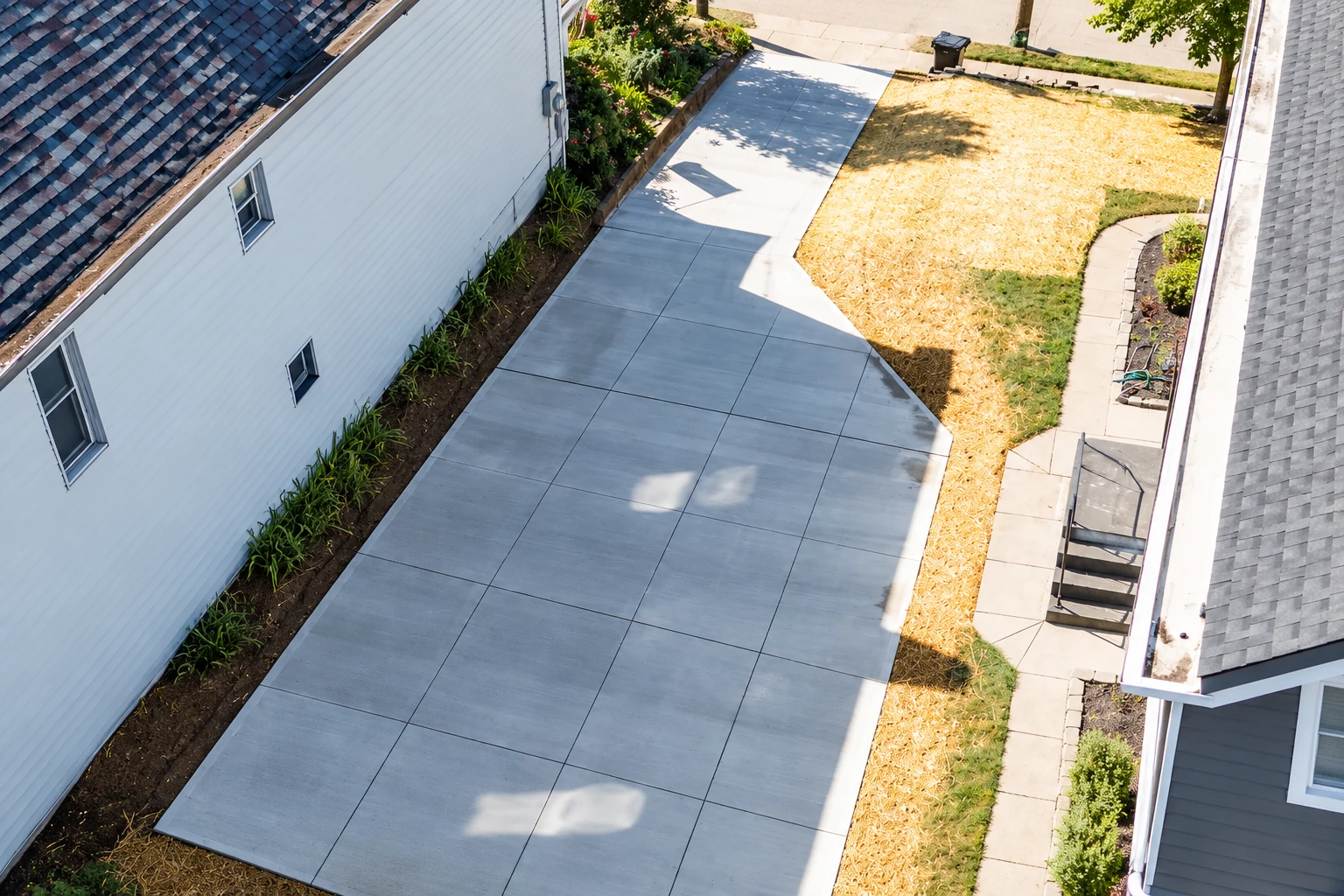
A concrete sidewalk starts underground. The pour comes last.
Concrete sidewalk building in Yuma means setting a slab on a dug-out, packed subgrade, the ground the slab sits on, then cutting control joints, shallow grooves that give the concrete a place to crack where we choose. Once it cures, it carries feet, bikes and trash cans for years.
Most calls start with a walk that's cracked, sunk at one end or tipped toward the house so water pools by the door. Usually the old slab went down on raked dirt instead of a packed base, and it settled as the dirt did. If you'd like color or pattern this time, our decorative concrete goes on the same kind of base.
The price moves with the length and width of the walk, how much old concrete comes out and whether any stretch needs rebar or a city permit. The schedule turns on that permit, if the walk meets the street, and on the days the new slab needs to cure. My written estimate gives you your own figure.
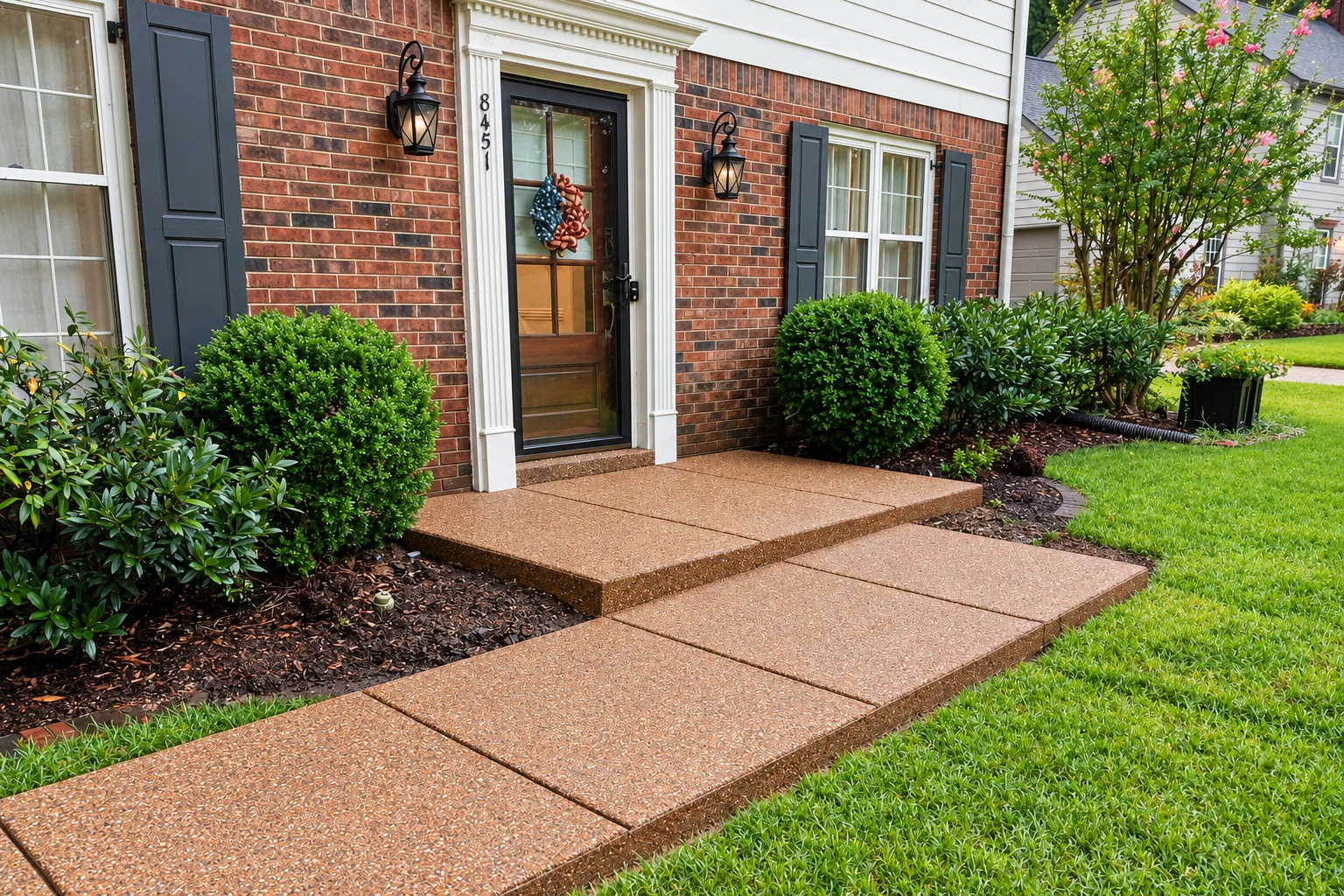
Sidewalk work starts with the base. Rebar only where it counts.
I look at the ground first, because a walk is only as steady as the dirt under it. Our effort goes into a dug-out, packed base and well placed joints, and we add rebar, steel bars that help hold the concrete together, only where it earns its keep, like a stretch that crosses the driveway.
If your walk meets the street, we talk early about who files with the city, so the permit isn't what holds up your pour. Before we pour, I check the forms for line and slope one more time, because once concrete sets there's no easy redo.
Sidewalk building covers more than the pour. Here's the rest.
Tearing out the old walk
We break up and haul away the cracked or sunken slab, then dig out the soft dirt that let it settle in the first place.
Packing the base
We fill and pack the base so the new walk sits on firm ground, not loose dirt that keeps settling after the concrete goes down.
Forms set for drainage
We set the forms so the walk falls away from your house toward the yard or street, and rain runs off instead of pooling by the door.
Rebar where it counts
Where a walk crosses the driveway, we set steel inside the slab, because tires load that stretch far harder than feet ever will.
Broom finish and joints
We drag a broom finish across the wet surface so shoes grip, and cut control joints on time, before the slab picks its own crack lines.
Tying into what's there
We tie the new walk into your driveway, porch or garage floor so the edges meet flush and nobody catches a toe.
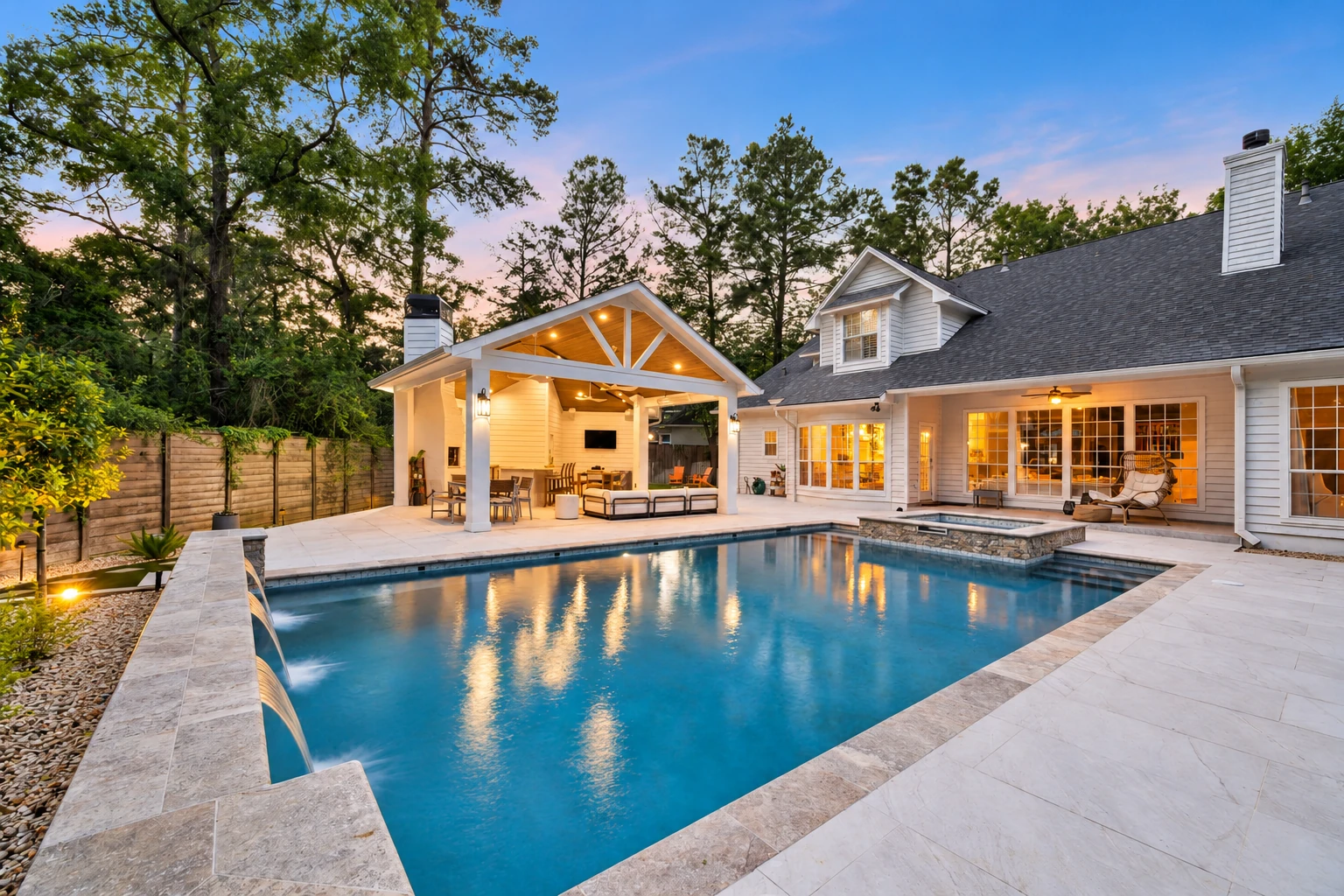
Sidewalks and slabs fail from the ground up. Good ones start there.
A walk done badly turns into a lifted edge someone trips on, cracks that run wherever they please and rain sitting against your foundation. Fixing any of it usually means breaking the slab out and starting over, since concrete is hard to undo.
The base is where cheap walks save money, because nobody sees it on pour day. I'd put your budget there before a fancier finish, since a nice surface on a sinking walk is still a sinking walk, and a packed base with joints in the right places is what keeps a walk flat and useful.
From first call to final walk. Here's how a sidewalk job runs.
Call or send a message
Call (928) 291-0009 or use the form to tell us about the walk you need, and we'll get back to you to set a time for me to come out.
I come out myself
I look over the ground, the slope and where the walk meets the driveway or street, and I ask how you'll use it day to day.
Your written estimate
You get a written estimate that's easy to read, so you can see what you're paying for and what to expect before you decide.
Prep, pour and walk-through
Once you say yes, we line up any permit steps, prep the ground, pour and finish with our own crew, and I walk the finished job with you.
Tell us about your sidewalk. We'll come take a look.
Send where the walk goes, its rough size and if it crosses a driveway or meets the street. We'll reply within one business day about a free, no-obligation on-site estimate.
(928) 291-0009Close to home. Walks across Yuma and nearby cities.
From our base in Yuma we build sidewalks in Fortuna Foothills, Somerton and the cities around them. Don't see your city in the list? Call (928) 291-0009 and ask.
Mon–Fri: 7 AM–10 PM, Sat–Sun: 6 AM–11 PM
Good questions before a pour. Here are the answers.
Read through the answers below. If your question isn't here, call (928) 291-0009 and I'll walk you through it.
How much does a new concrete sidewalk cost in Yuma?
Installing a concrete sidewalk across the US usually runs about $12 to $14.70 per square foot. That's the national going rate for the work, not our quote, and your own figure comes in my written estimate after I've seen the ground and the walk you want.
Does a concrete sidewalk in Yuma need rebar?
Not usually, if the ground is stable. One concrete guide says rebar earns its cost only where a walk crosses a driveway, where a city spec for work by the street calls for it, or on high-swell soil. Swelling clay turns up across Arizona, Yuma included, and it can damage a walk as it swells when wet and shrinks when dry.
How long before I can use a new concrete sidewalk?
Plan on keeping traffic off it for 7 days, which is when one concrete association's sidewalk guidelines say a new walk can open, or sooner if testing shows it's strong enough. That wait is curing, the time the concrete needs to gain strength before it takes a load.
Why do concrete crews start pouring so early on hot days?
Heat works against fresh concrete, and a slab poured in the midday sun can end up with a weak, dusty top. One concrete association's hot-weather guidelines say to pour when temperatures are most favorable, like early morning, and to dampen dry ground first without leaving puddles, so expect an early start on a hot day.
Do I need a city permit for a sidewalk by the street in Yuma?
Yes, when the work opens or digs into a street, sidewalk, easement or right-of-way, the city requires a permit on a written application. City code limits that work to contractors licensed by the State of Arizona for it, and either you or your contractor can file. We're licensed and insured, and when a permit's needed we handle the application.
Sidewalks are one part of it. Here's the rest of our work.
- Concrete driveway building
- Concrete patio construction
- Stamped concrete services
- Garage floor concrete
- Decorative concrete
- Concrete retaining walls
- Concrete floor installation
- Concrete pool decks
- Concrete steps construction
- Slab foundation building
- Foundation installation
- Concrete parking lot building
- Concrete footings
- Foundation raising
- Concrete cutting
Walk, steps or slab need redoing? Call for a free estimate.
Tell us where the walk goes and what's wrong with the old one, and we'll set a time to come look, which leaves room for any permit steps.
(928) 291-0009