Foundation installation in Yuma AZ - a slab matched to your lot and plans
Building a new home and wondering what it should sit on? We match the slab to your soil and plans, and line up each inspection.
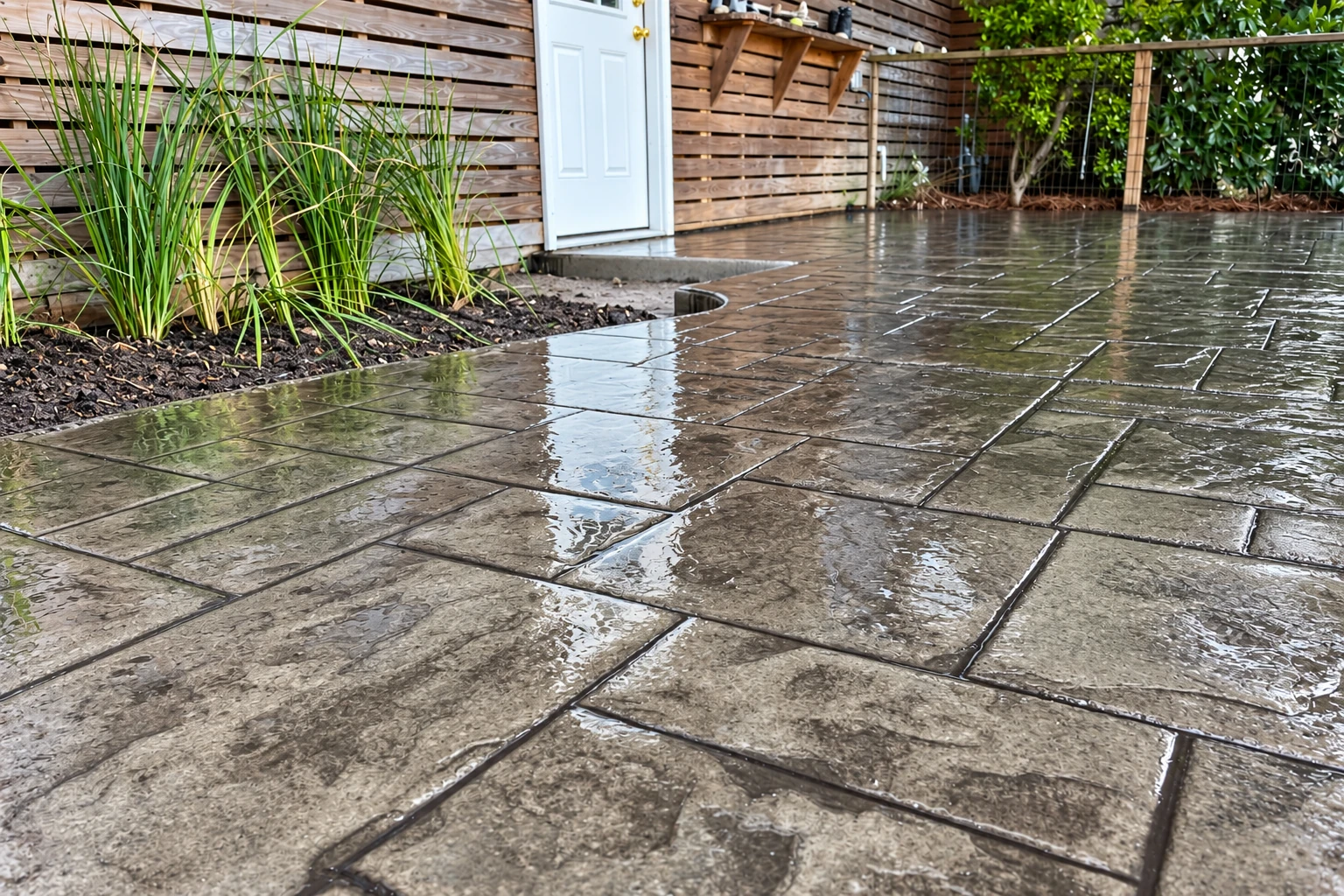
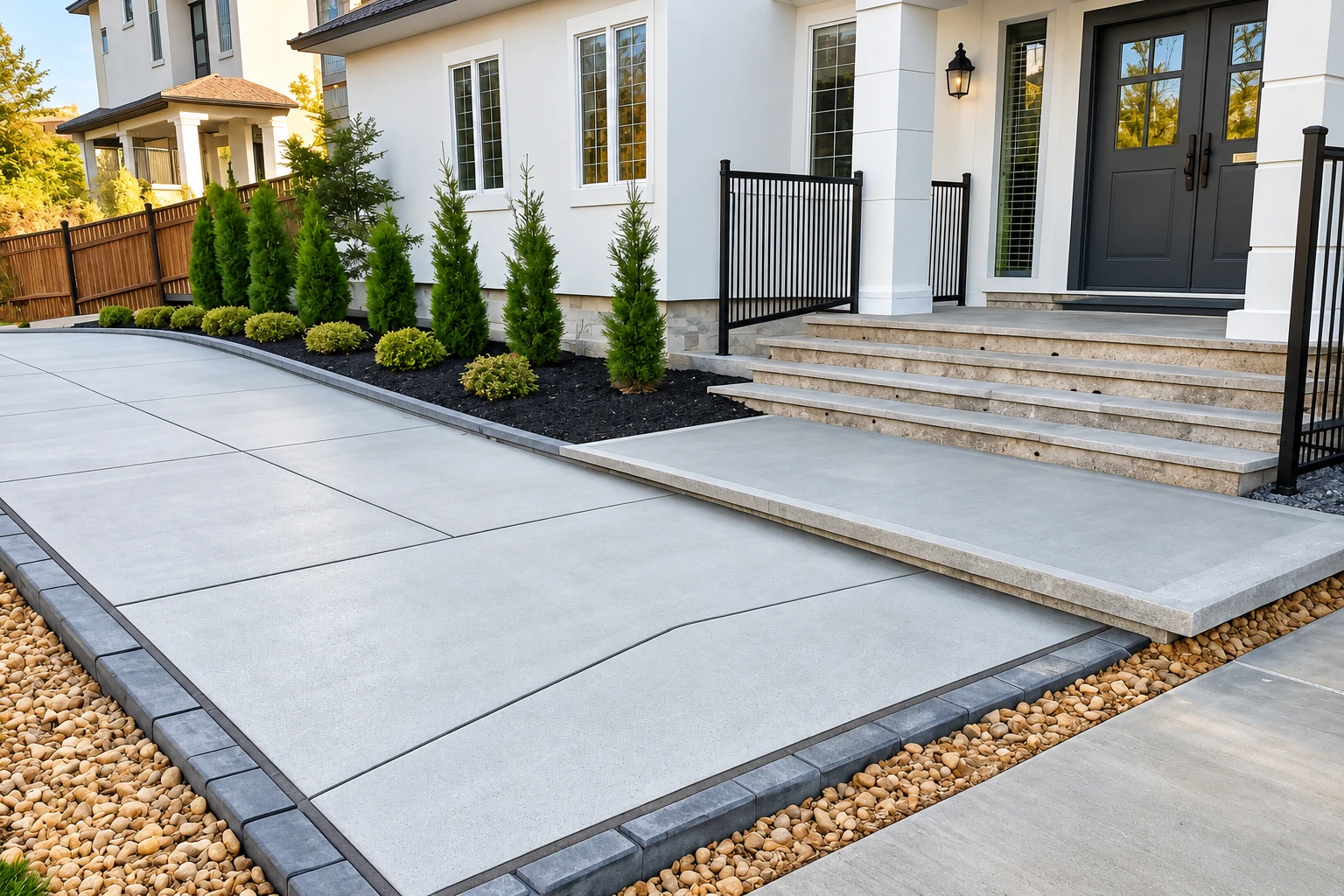
Foundation installation sets the base. The whole house rests on it.
Foundation installation builds the base your house sits on. Most often that's a slab-on-ground, a concrete floor that rests right on the soil. It covers the dirt work under it, the concrete footings along its edges and the steel inside. A sound foundation resists the soil moving underneath, which helps the whole house hold up over time.
Most people come to us with plans for a new house, an addition or a shop. A foundation is the one part of a building you can't redo later without lifting what's on it, so the ground under it matters more than anything that goes on top.
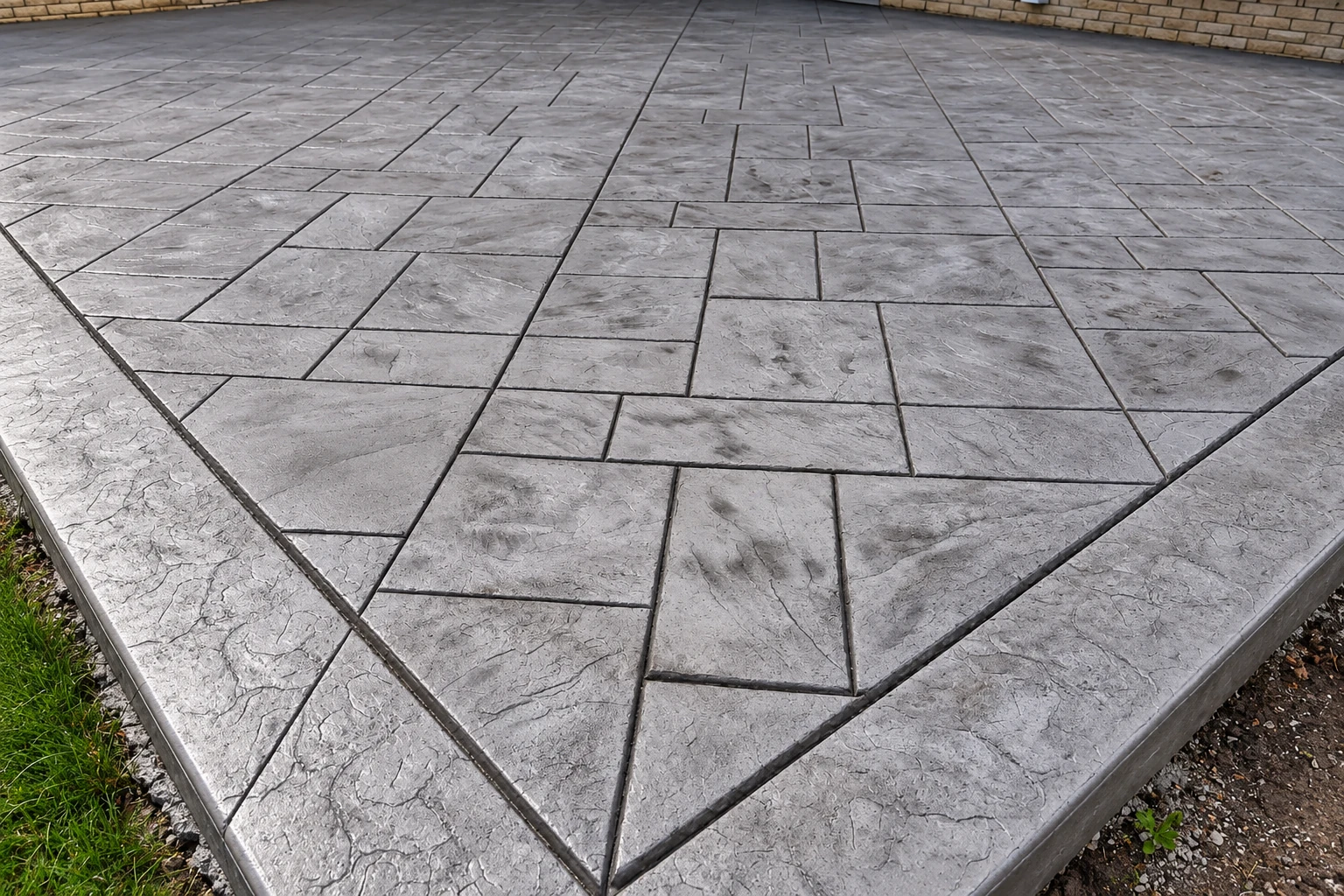
Foundation installation starts underground. We plan from the soil up.
We work from your home plans and any soil report to match the slab to your lot. That goes for a house and for a business owner's shop that needs a concrete parking lot beside it. Concrete is hard to undo, so I'd rather take a second look at the ground and forms than rush a pour.
The price moves with the footprint, the slab your plans call for and how much ground work the lot needs. The schedule mostly turns on plan review and inspections. We line those up ahead of time, so nothing gets covered before it's checked. Your written estimate gives you your own figure.
Foundation installation covers more than concrete. Here's what goes into it.
Soil and site check
We walk the lot and read any soil report, because what's under the slab decides how thick it needs to be and how it's reinforced.
Digging out and packing
We dig down to firm ground and pack the subgrade, the dirt the slab rests on, in layers so it doesn't keep settling later.
Forms and footings
We set forms to the lines on your plans and dig the deeper edges that carry the walls, then check them again before the pour.
Rebar or post-tensioning
We place rebar, the steel bars that hold the concrete together, or the tensioning cables a post-tensioned design calls for, where the plans show them.
Moisture under floors
A vapor retarder is a plastic sheet under the slab that slows ground moisture. One industry guide calls it sensible planning under every interior floor slab.
Pour, finish and cure
We pour early, ahead of the midday heat that leaves a weak, dusty top. Then we finish it and let it cure, which is the wait while concrete gains strength.
Good ground work under a foundation pays off. It's worth the money.
A foundation poured on dirt that was raked level, instead of dug out and packed, settles as the dirt does. The cracks show up in the floors and walls above it. When the grading sends water back toward the slab, the ground under it keeps softening, long after the concrete itself looks fine.
The base is hidden on day one, so it's usually the first thing cut when a budget gets tight. I'd cut somewhere else. A nice finish over poor ground cracks anyway, while a plain slab on well-packed ground holds up.
Here's how a foundation job runs. I'm there from start to finish.
Call or send the form
Call (928) 291-0009 or use the form. Have your property address, home plans and any soil report ready so I come out prepared.
I walk the lot
I come out myself and walk the lot. I look at how water drains and ask what's going on the slab and how you'll use it.
Your written estimate
You get a written estimate that's easy to read. In Yuma, residential plan review generally takes about five work days, so we build that into the start date.
Pour, inspect and walk through
Our crew preps, pours and finishes with me on site, and the inspector checks each stage before it's covered. We clean up, and I walk it with you.
Tell us about your foundation. We'll come take a look.
Send your address, plans and any soil report, or call. We reply within one business day to set up a free on-site estimate with no obligation.
(928) 291-0009Yuma is home base. We work across the cities around it.
We're based in Yuma and pour foundations in the cities around it, including Fortuna Foothills and Somerton. If your city isn't listed, give us a call.
Mon–Fri: 7 AM–10 PM, Sat–Sun: 6 AM–11 PM
Foundation questions come up early. Here are the common ones.
Read the answers below. If your question isn't covered, call us and I'll walk you through it.
Which slab works best on soil that shrinks and swells?
The post-tensioning trade group says a post-tensioned slab is a cost-efficient choice on shrink-swell soil and performs better than a regular slab. Steel cables in the slab are tightened after the pour, which squeezes the concrete so it resists the soil pulling at it. Your plans and soil report decide whether you need one.
Why do I need to check the soil before building a foundation?
Some soils in the desert Southwest sink when they get wet, and settlements of two to three feet are common in the region. The water can come from irrigation, a leaking pipe or pool, a canal or a change in groundwater. The USDA's online soil survey suits general planning, but some foundation designs need an onsite soil investigation.
Can I build my own foundation in Arizona without a license?
Yes, if it's your land and the home is for your own use. Arizona law lets you build without a contractor's license, doing the work yourself, with your own employees or with licensed contractors. If you plan to sell or rent the home, that exemption doesn't apply. We're licensed and insured if you'd rather hand the job off.
Who handles building permits for a new foundation in Yuma?
In the city, the Building Safety Division helps with permits, and those are generally required for any new construction. Homes under county permitting go through Yuma County, which requires residential permits for new homes and additions. Before we set a date, I check with the right office, then we handle the application and schedule the inspections.
We do more than foundations. See the rest of our concrete work.
- Concrete driveway building
- Concrete patio construction
- Stamped concrete services
- Concrete sidewalk building
- Garage floor concrete
- Decorative concrete
- Concrete retaining walls
- Concrete floor installation
- Concrete pool decks
- Concrete steps construction
- Slab foundation building
- Concrete parking lot building
- Concrete footings
- Foundation raising
- Concrete cutting
Building a home or shop in Yuma? Ask for a free estimate.
Call before your plans are final, when the slab type is easiest to decide. Tell us about the lot, and we'll set a time to come look.
(928) 291-0009